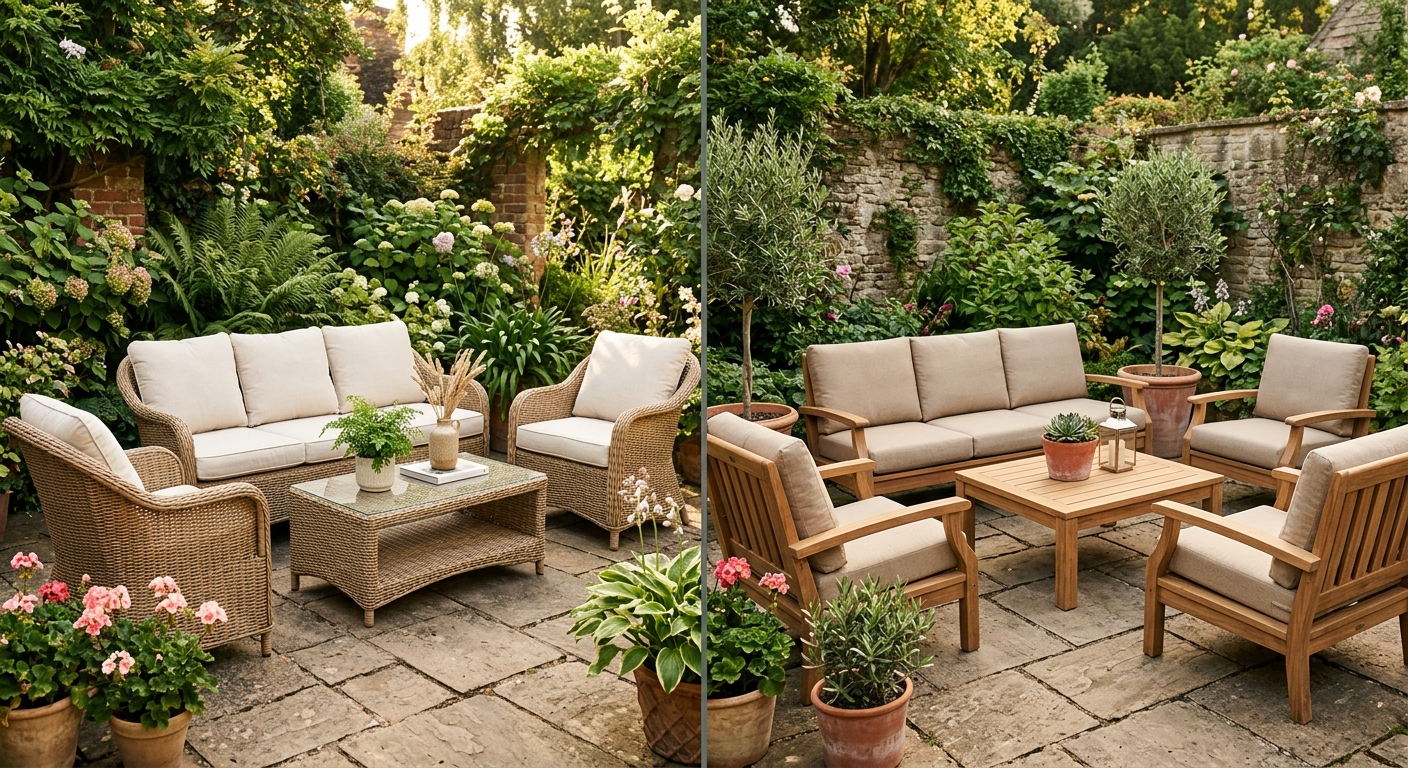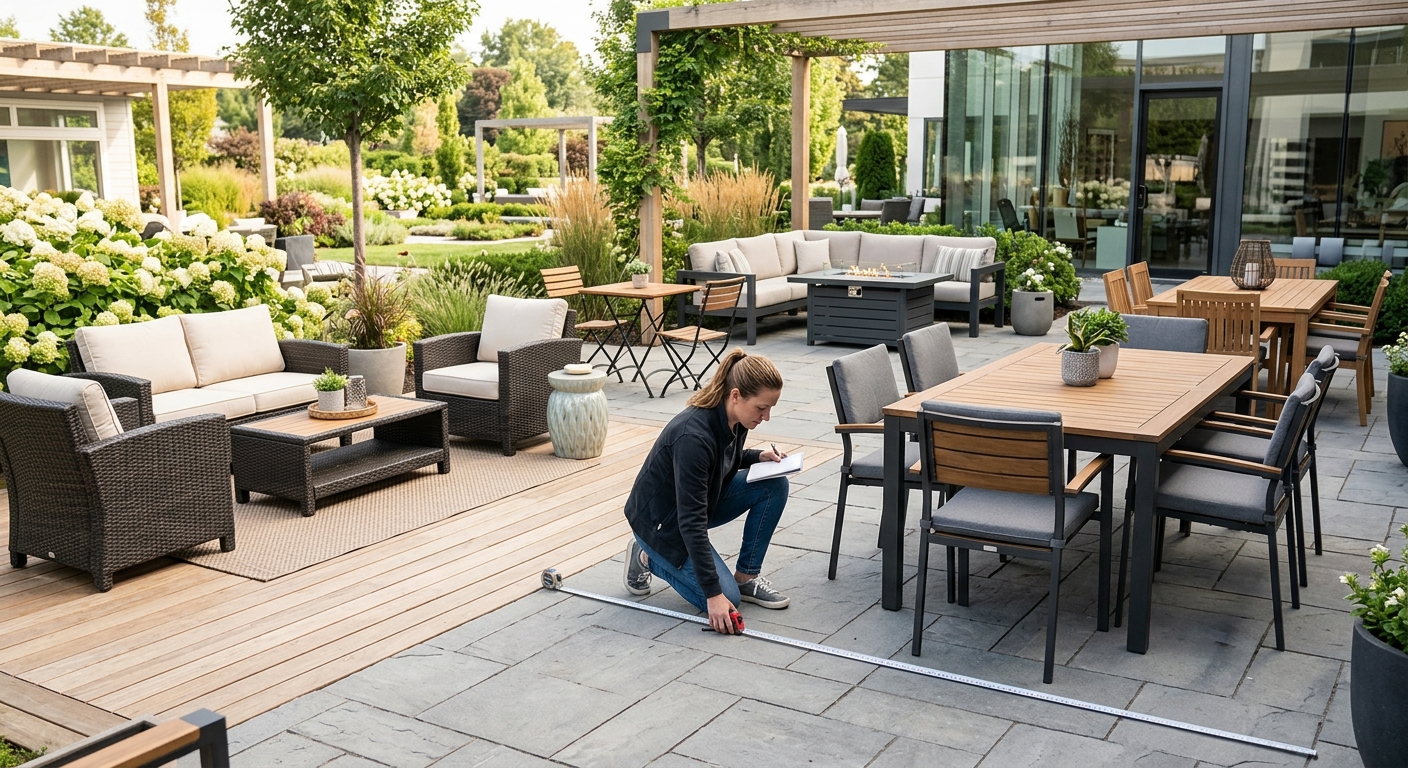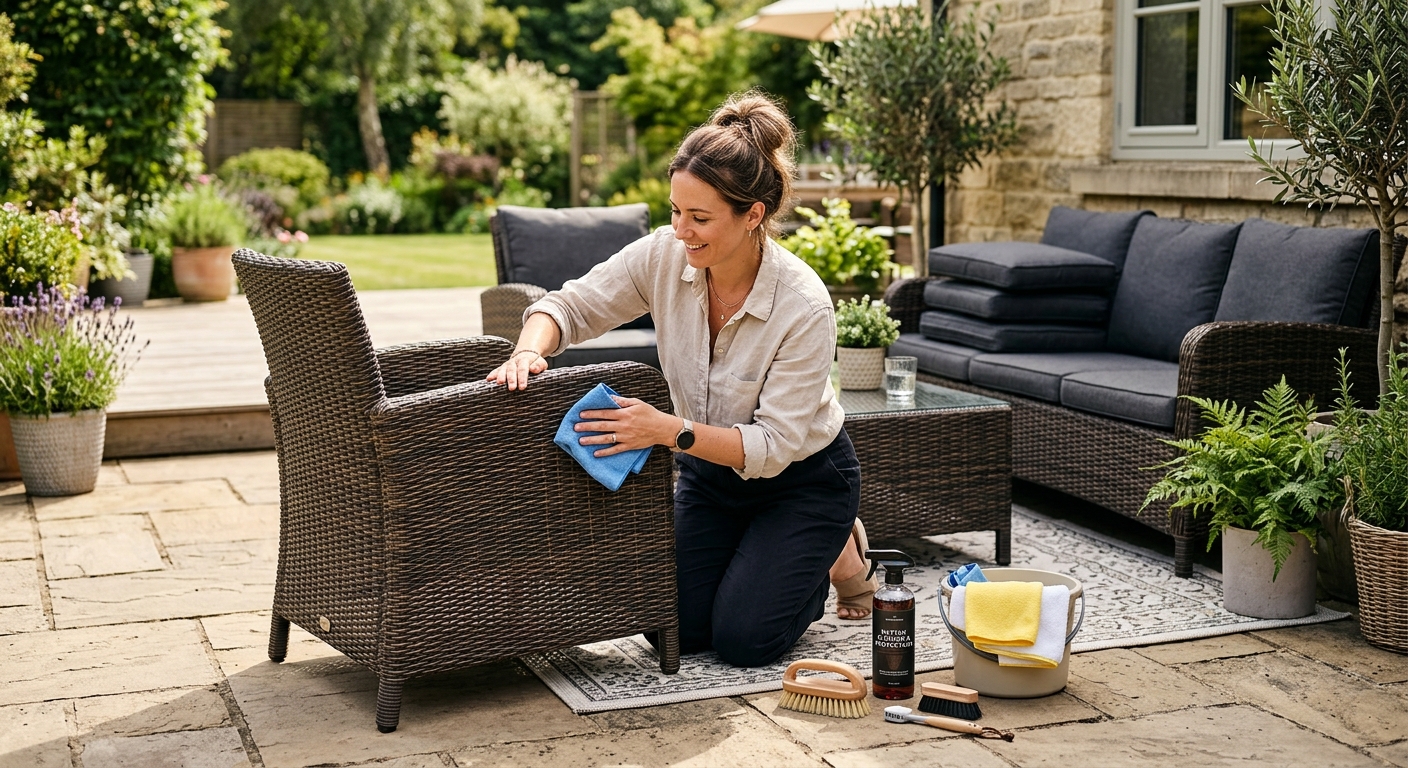
Quality outdoor furniture is an investment. A well-maintained rattan dining set can serve you for a decade. A teak lounge set can last twenty-five years. But neglect that same furniture, and you will be shopping for replacements in two or three seasons. The difference is not luck or climate — it is maintenance. This guide provides a complete, material-by-material maintenance system that anyone can follow, with specific cleaning routines, protective treatments, storage strategies, and repair techniques.
General Maintenance Principles
Before diving into material-specific care, understand these universal principles that apply to all outdoor furniture:
- Clean regularly: Dirt, pollen, bird droppings, and tree sap accumulate and etch into surfaces over time. Monthly cleaning prevents permanent staining.
- Address problems early: A small rust spot is a 5-minute fix. A large rust area is a replacement part. Inspect furniture monthly during the use season.
- Protect cushions: Cushions fail before frames do. Store them indoors when not in use, and never leave them out overnight during humid weather.
- Cover during extended non-use: Furniture covers are cheaper than furniture. Use breathable covers during off-seasons and extended rainy periods.
- Tighten hardware: Temperature fluctuations cause metal fasteners to expand and contract, loosening connections. Check bolts and screws monthly.
PE Rattan Furniture Maintenance
PE rattan is the lowest-maintenance outdoor furniture material, which explains its popularity. But low-maintenance does not mean no-maintenance.
Weekly Care
- Brush off loose debris with a soft-bristle brush
- Wipe down surfaces with a damp microfiber cloth
- Shake out cushions and check for signs of moisture
Monthly Deep Clean
- Mix mild dish soap with warm water in a bucket
- Scrub the weave gently with a soft-bristle brush, working between the strands
- Rinse thoroughly with a garden hose (avoid pressure washers, which can damage the weave)
- Allow to air dry completely before replacing cushions
- Inspect the frame through the weave for any signs of rust or coating damage
Seasonal Care
- Spring: Deep clean after winter storage. Check for any loose weave strands and tuck them back into place.
- Summer: Wipe down weekly to remove pollen and dust. Keep cushions out of direct sunlight when not in use.
- Fall: Deep clean before winter storage. Wash and dry all cushions thoroughly.
- Winter: Store indoors or cover with breathable furniture covers. Never leave cushions outside.
Repairing Rattan
If a weave strand breaks or comes loose, it can often be re-woven using a pair of needle-nose pliers. For larger damage, replacement weave strands are available from the manufacturer. A professional wicker repair service can restore extensively damaged pieces for a fraction of the replacement cost.
Teak Furniture Maintenance
Teak is the most durable outdoor wood, but it still benefits from regular care. The main decision is whether to maintain the original golden color or allow the natural silver-gray patina to develop.
Maintaining Golden Color (Optional)
- Clean the furniture with a teak-specific cleaner at the start of each season
- Apply teak oil with a clean rag, following the grain direction
- Let the oil soak in for 15-20 minutes, then wipe off excess
- Reapply annually, or more frequently in intense sun climates
- Never use varnish, polyurethane, or paint on teak — it needs to breathe
Allowing Natural Patina (Recommended)
- Simply clean annually with mild soap and water
- The silver-gray patina develops naturally over 6-12 months
- The patina is a protective surface layer, not deterioration
- No oiling, sealing, or treatment is required
- The furniture will last just as long without oiling
Removing Stains from Teak
Teak can develop stains from food, drinks, or rust from metal objects left on the surface. To remove stains:
- Use a teak cleaner and a soft brush, scrubbing in the direction of the grain
- For stubborn stains, use a 1:1 mixture of white vinegar and water
- Avoid bleach or harsh chemicals, which can discolor the wood
- Sand lightly with 220-grit sandpaper if stains persist, then re-oil if desired
Metal Furniture Maintenance
Metal furniture — whether aluminum, steel, or cast iron — requires specific care to prevent corrosion and maintain appearance.
Aluminum Furniture
Aluminum is the easiest metal to maintain because it cannot rust:
- Wash with mild soap and water every 2-3 months
- Dry thoroughly to prevent water spots
- Apply a coat of automotive wax annually to protect the powder coating and restore shine
- Inspect powder coating for chips — touch up with matching paint to prevent underlying corrosion
Steel and Cast Iron Furniture
Steel and iron require vigilant rust prevention:
- Inspect monthly for rust spots, especially at joints and welds
- Remove light rust with fine steel wool (0000 grade) and apply rust-inhibiting primer
- Touch up any chips in the powder coating immediately with matching paint
- Apply a rust-inhibiting automotive wax twice per year
- Never leave steel or iron furniture in standing water
- Store indoors or use heavy-duty covers during winter
Cushion and Fabric Care
Cushions are the most vulnerable component of any outdoor furniture set. Proper care extends their life significantly.
Cleaning Cushions
- Remove covers and machine wash on gentle cycle with cold water (if removable)
- For non-removable covers, spot clean with mild soap and water
- Never use bleach — it degrades fabric fibers and strips color
- Air dry only — machine drying can shrink covers and damage water-resistant treatments
- Treat stains immediately — the longer they sit, the harder they are to remove
Preventing Mold and Mildew
- Never store cushions when they are even slightly damp
- Ensure cushions are completely dry before putting them away for the season
- Store cushions in a dry, ventilated area — not in sealed plastic bags
- If mold develops, clean with a 1:4 mixture of white vinegar and water
- For severe mold, use a commercial mildew remover designed for outdoor fabrics
Winter Storage Guide
Proper winter storage is the single most impactful maintenance action you can take. Furniture that is stored correctly will emerge in spring looking nearly new.
Storage Checklist
- Clean all furniture thoroughly before storing — dirt and stains set permanently over winter
- Wash and completely dry all cushions before packing them away
- Disassemble furniture if possible to save space and reduce stress on joints
- Store in a dry, temperature-stable area — garages, sheds, or basements work well
- If indoor storage is not available, use breathable furniture covers (not plastic tarps)
- Elevate covered furniture off the ground to prevent moisture wicking
- Remove glass components and store them vertically in a protected location
Conclusion
Maintaining outdoor furniture is not difficult, but it requires consistency. A monthly cleaning routine, seasonal deep cleans, proper cushion storage, and vigilant winter preparation will keep your furniture looking and performing like new for years. The time you invest in maintenance — perhaps 2-3 hours per season — will save you hundreds or thousands of dollars in premature replacement costs. Choose quality furniture, care for it properly, and it will reward you with comfort and beauty far longer than you expect.
Key Takeaways
- Clean monthly and inspect hardware — small issues become expensive repairs if ignored.
- Never store damp cushions; mold develops quickly in humid conditions.
- PE rattan prefers mild soap and a soft brush — avoid high-pressure washing.
- Teak does not require sealing; oiling is optional for color, not structural protection.
- Touch up chipped powder coating on metal immediately to stop corrosion.
- Winter storage or breathable covers deliver the biggest lifespan gains.
Frequently Asked Questions
Wipe down weekly during the use season, deep clean monthly, and do a thorough clean before winter storage. The frequency depends on your environment — areas with heavy pollen, bird activity, or tree cover may require more frequent cleaning.
Avoid pressure washers on rattan, wood, and cushioned furniture. The high pressure can damage weave strands, force water into wood grain, and destroy fabric water resistance. Use a garden hose with a spray nozzle instead. Metal furniture can tolerate low-pressure washing.
Stand cushions on their edges in a well-ventilated area and allow them to dry completely before using or storing them. If they absorbed significant water, remove the covers and dry the foam inserts separately. Never store damp cushions — they will develop mold within days.
No. Teak does not require sealing. Its natural oils provide sufficient protection. You may apply teak oil annually if you want to maintain the golden color, but this is purely cosmetic. The silver-gray patina that develops without oiling is not damage.
Use needle-nose pliers to guide the loose strand back through the adjacent weave pattern. If the strand is broken, trim the loose end and secure it with a small dab of waterproof adhesive. For extensive damage, contact the manufacturer for replacement strands or a professional repair service.
Looking for premium outdoor furniture?
Browse our handcrafted collections designed for every garden — built to last with proper care.
Explore Collection