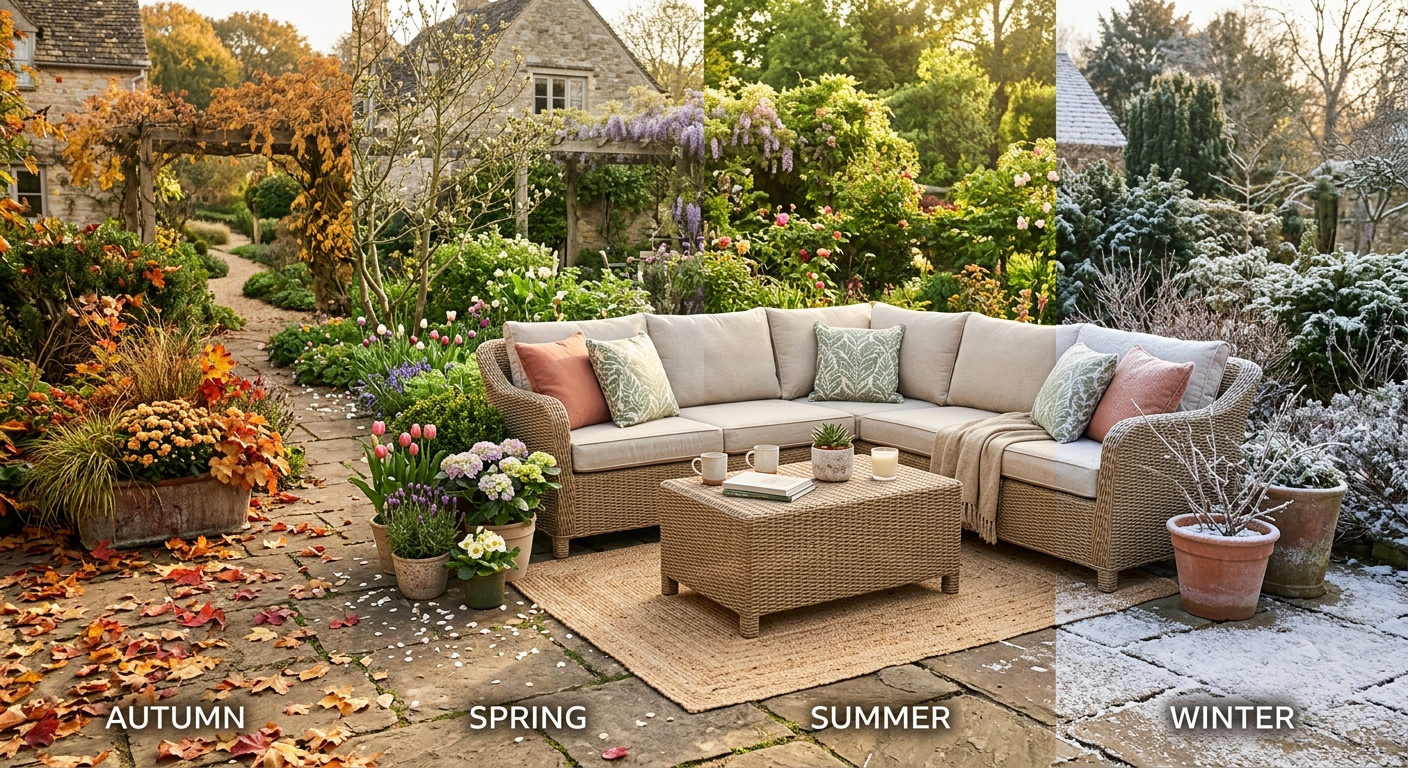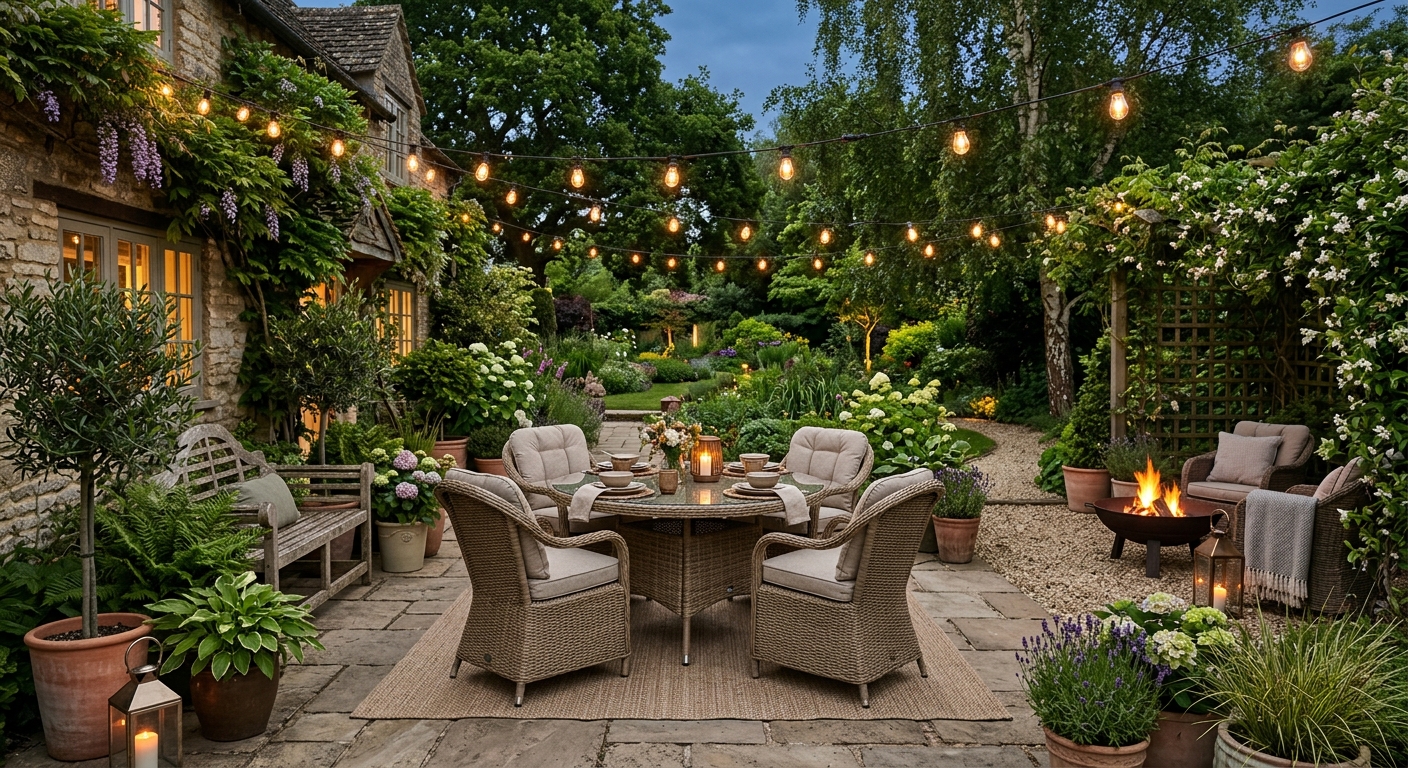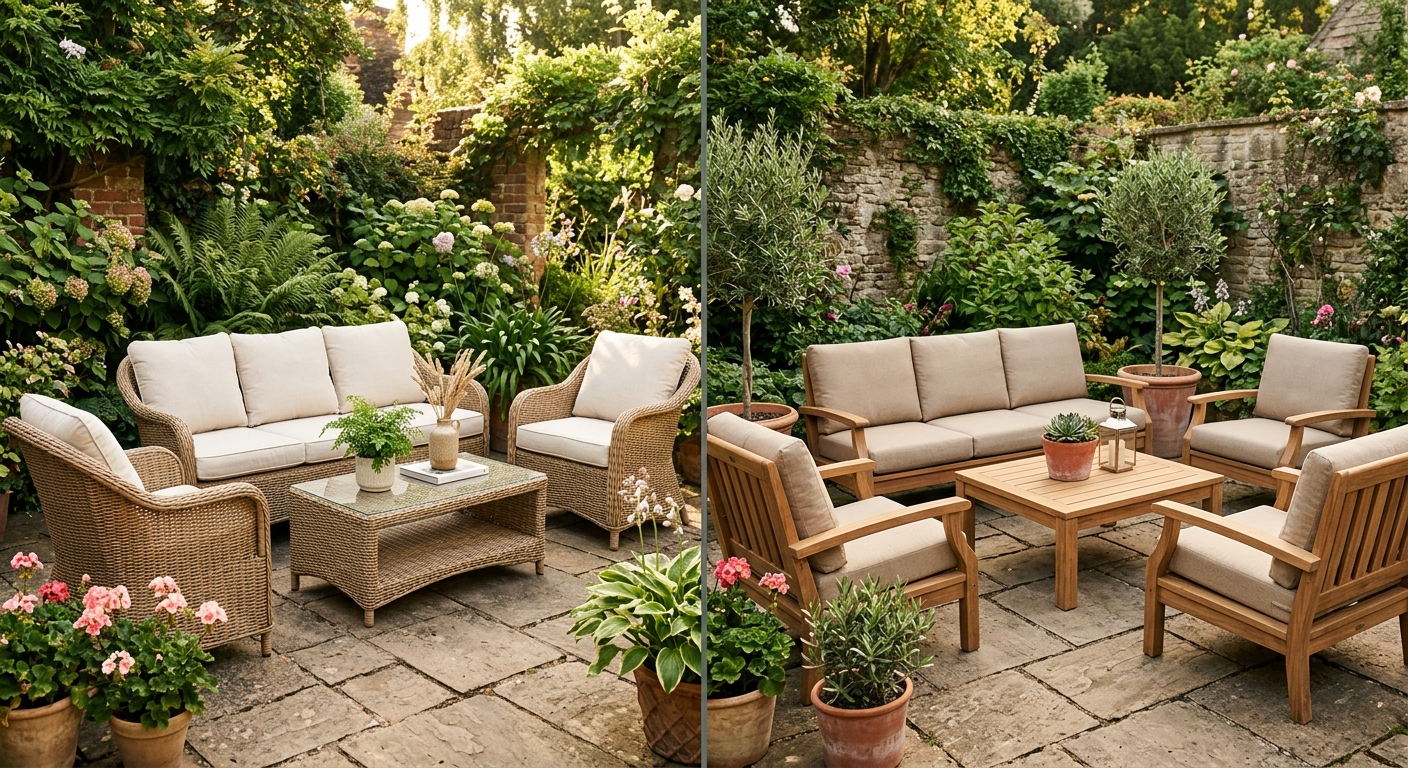
If you are shopping for outdoor furniture, you have probably narrowed your choices to two dominant materials: rattan (specifically PE synthetic rattan) and wood (typically teak, cedar, or acacia). Both are popular, both look great, and both have passionate advocates. But they are fundamentally different materials with different strengths, weaknesses, maintenance requirements, and price points. This guide gives you a direct, honest comparison so you can make the right choice for your space, climate, and budget.
Material Overview: What Are You Actually Buying?
PE Rattan (Synthetic Wicker)
PE rattan is polyethylene resin woven around a structural frame — usually powder-coated aluminum or steel. It mimics the look of natural wicker but is engineered specifically for outdoor use. Unlike natural rattan (which comes from a climbing palm and degrades quickly outdoors), PE rattan is waterproof, UV-stabilized, and dimensionally stable across temperature ranges.
Quality PE rattan is tested for 500+ hours of UV exposure without cracking, fading, or becoming brittle. The weave pattern is not just decorative — it distributes weight across the frame and provides structural flexibility that rigid materials cannot match.
Wooden Furniture (Teak, Cedar, Acacia)
Wooden outdoor furniture is typically made from three species:
- Teak: The premium choice. Contains natural oils and silica that make it resistant to moisture, insects, and decay. Grade A teak (from the heartwood of mature trees) can last 50+ years outdoors.
- Cedar: Lighter and more affordable than teak. Naturally resistant to moisture and insects due to its aromatic oils. Requires more frequent maintenance and typically lasts 10-15 years.
- Acacia: Dense, hard, and moderately priced. Good moisture resistance but requires regular sealing. Lifespan of 8-12 years with proper care.
Durability Comparison
Durability is the most important factor for outdoor furniture. Here is how rattan and wood compare over time.
Lifespan
- PE Rattan + Aluminum frame: 5-10 years outdoors, 10-15+ years with covers and indoor winter storage
- Teak: 25-50+ years — the longest-lasting outdoor furniture material available
- Cedar: 10-15 years with annual sealing, 5-8 years without maintenance
- Acacia: 8-12 years with regular sealing, 5-7 years without
Weather Resistance
PE rattan is waterproof and UV-stabilized. It does not absorb moisture, will not rot, and resists fading. However, it can become brittle in sub-freezing temperatures and the weave can sag under heavy snow loads.
Teak is naturally weather-resistant due to its oil content. It handles rain, sun, and freezing temperatures without structural damage. The surface will develop a silver-gray patina over 6-12 months of outdoor exposure, which is a cosmetic change, not deterioration.
Cedar and acacia are less naturally resistant than teak. Both will absorb moisture if not sealed, leading to warping, cracking, and eventual rot. Annual application of a protective sealant is essential.
Maintenance Requirements
Rattan Maintenance
PE rattan is low-maintenance, which is one of its biggest advantages:
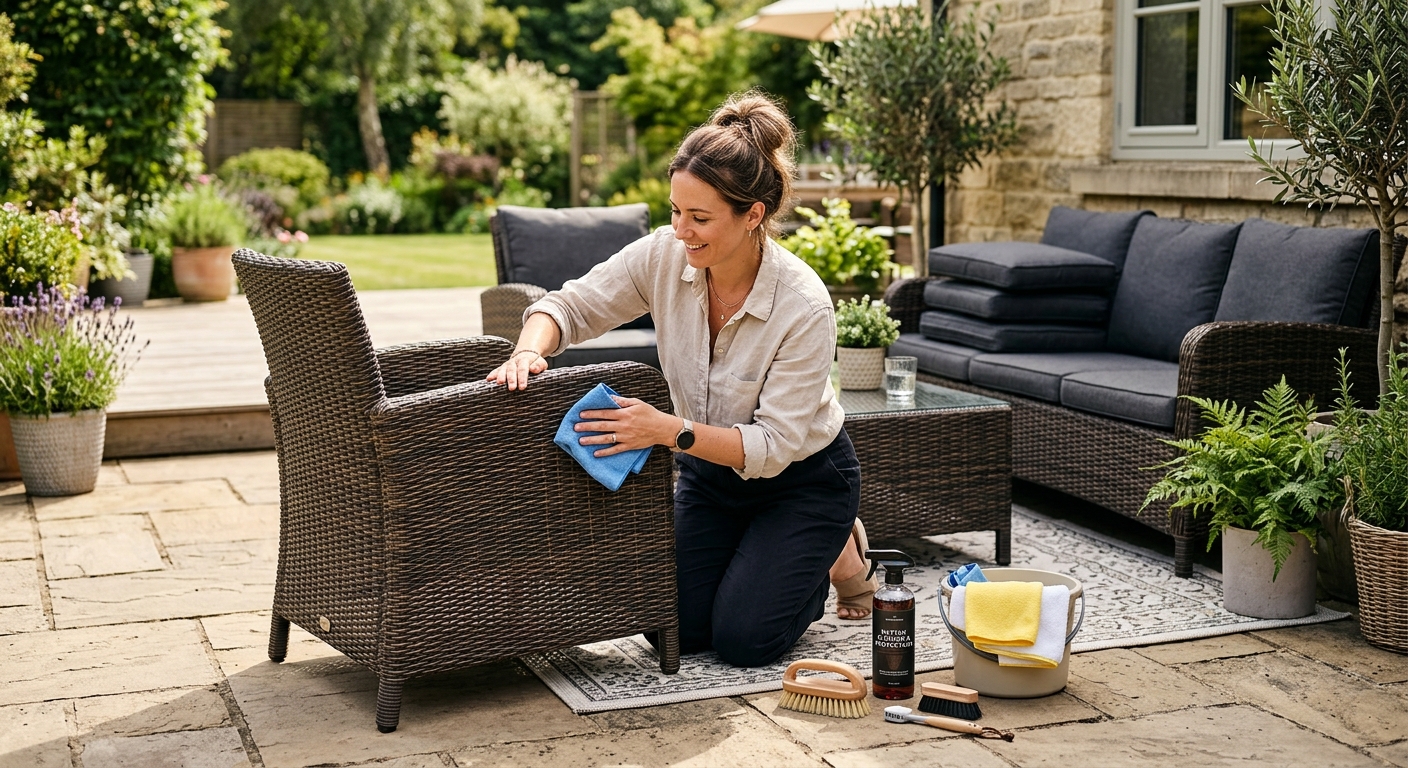
- Clean with mild soap and water every 2-3 months
- Use a soft brush to remove dust from between the weave strands
- Store cushions indoors when not in use
- Cover or store furniture during winter in cold climates
- No sealing, oiling, or staining required
- Inspect the frame annually for any coating damage
Wooden Furniture Maintenance
Wood requires more ongoing attention:
- Teak: Clean annually with teak cleaner. Apply teak oil annually if you want to maintain the golden color (optional — the silver patina is not damage). No sealing required.
- Cedar: Clean annually and apply a protective sealant every 1-2 years. Sand rough spots as they develop. Check for splitting and cracking each spring.
- Acacia: Clean annually, seal every year, and oil periodically to prevent drying. More maintenance-intensive than cedar.
If you want furniture you can set up and forget about, rattan is the better choice. If you do not mind annual maintenance and want maximum longevity, teak wins.
Comfort Comparison
Comfort matters as much as durability. You are buying furniture to use, not just to look at.
- Rattan: The woven surface has natural give and flexes slightly under weight, creating a comfortable seating surface even without cushions. The weave pattern allows airflow, keeping you cooler in summer. Cushions add extra comfort and are typically included with lounge and dining sets.
- Wood: Wooden furniture is rigid. Teak chairs and benches are comfortable for shorter periods but benefit from cushions for extended sitting. Adirondack chairs are an exception — their angled design provides excellent comfort without cushions. Wooden surfaces can become hot in direct sun and cold in winter.
Aesthetics and Style
The visual difference between rattan and wood is significant and should match your design preferences:
- Rattan: Offers a casual, relaxed, coastal or bohemian aesthetic. The woven texture adds visual interest and warmth. Available in multiple colors (natural, gray, brown, black, white). Works well in contemporary, Scandinavian, and tropical-inspired spaces.
- Wood: Provides a classic, timeless, and substantial look. Teak has a rich golden-brown tone that ages gracefully. Cedar offers a lighter, more rustic appearance. Acacia has dramatic grain patterns. Wooden furniture works well in traditional, farmhouse, and rustic settings.
Price Comparison
Price is often the deciding factor. Here is a realistic comparison of what you can expect to pay:
- PE Rattan dining set (4-6 person): $350-$550
- PE Rattan lounge set (3-5 piece): $350-$800
- Teak dining set (4-6 person): $650-$1,500+
- Teak lounge set: $800-$2,000+
- Cedar Adirondack chair: $120-$180
- Acacia garden bench: $160-$250
Rattan generally costs 40-60% less than equivalent teak furniture. Cedar and acacia are closer to rattan in price but require more maintenance and have shorter lifespans.
Which Should You Choose?
Choose Rattan If:
- You want low-maintenance furniture that looks great with minimal effort
- Your budget is $200-$800 for a dining or lounge set
- You live in a humid or rainy climate where wood maintenance is burdensome
- You prefer a casual, contemporary, or coastal aesthetic
- You may want to rearrange furniture frequently (rattan is lighter)
Choose Wooden Furniture If:
- You want furniture that will last 20+ years and are willing to maintain it
- Your budget allows for premium pricing ($500-$2,000+)
- You live in a climate with distinct seasons and can store cushions indoors
- You prefer a classic, traditional, or rustic aesthetic
- You value natural materials and are willing to invest in teak specifically
Conclusion
There is no universal winner between rattan and wooden outdoor furniture — there is only the right choice for your situation. PE rattan offers the best balance of affordability, low maintenance, and weather resistance for most homeowners. Teak offers unmatched longevity and a timeless appearance for those willing to invest and maintain. Cedar and acacia provide a middle ground for budget-conscious buyers who prefer natural wood. Consider your climate, budget, maintenance willingness, and aesthetic preferences. Whichever you choose, invest in quality construction — a well-made piece of either material will outperform a cheaply made piece of either.
Key Takeaways
- PE rattan offers lower maintenance and strong weather resistance for most patios.
- Teak and cedar deliver classic warmth and can last decades with simple care.
- Rattan is typically lighter and easier to rearrange; solid wood feels more substantial.
- Wood develops a natural patina; rattan keeps a more consistent finished look.
- Compare total cost of ownership — maintenance time and covers matter as much as price.
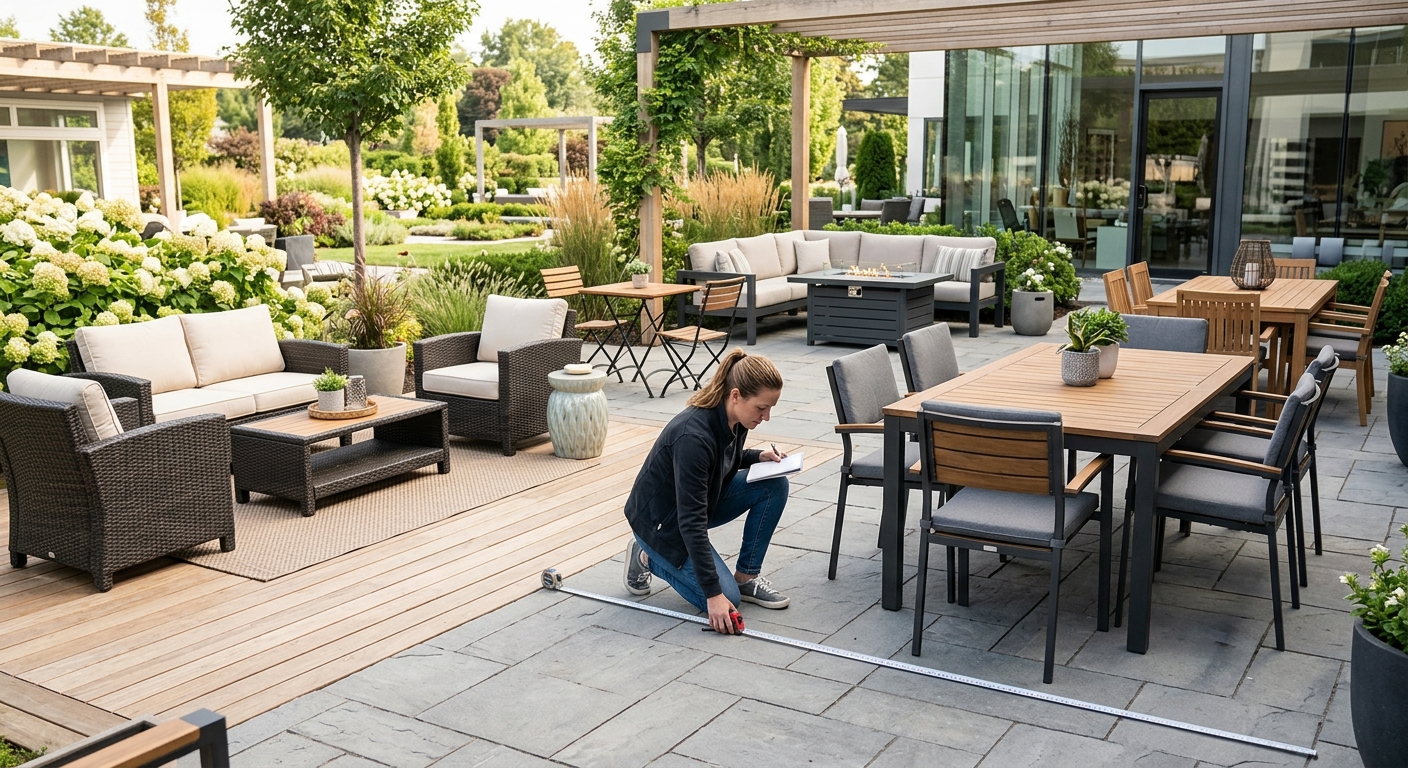
- Many homeowners mix both: wood dining tables with rattan lounge seating.
Frequently Asked Questions
Yes, significantly. Natural rattan absorbs moisture and degrades outdoors within 1-2 years. PE (polyethylene) rattan is waterproof, UV-stabilized, and specifically engineered for outdoor conditions. It looks virtually identical but lasts 5-10x longer outside.
Grade A teak furniture, with basic care, can last 50+ years outdoors. The natural oils and silica content make it resistant to rot, insects, and moisture. Even untreated, teak will not structurally fail — it will only develop a cosmetic patina.
Absolutely. Mixing materials is a popular design approach. Pair a teak dining table with rattan chairs, or use a rattan lounge set alongside wooden Adirondack chairs. The key is maintaining a consistent color palette — warm browns and naturals blend well together.
PE rattan with aluminum frames is significantly lighter than solid wood furniture. A rattan dining chair typically weighs 8-12 lbs, while a teak dining chair weighs 20-30 lbs. If you rearrange your patio frequently or need to store furniture seasonally, rattan is much easier to handle.
PE rattan does not retain heat like metal does. It remains comfortable to the touch even in direct sunlight. Dark-colored rattan will absorb more heat than light colors, but the difference is minor compared to metal furniture. Cushions provide additional insulation regardless of material.
Ready to compare real pieces?
Explore our rattan and wooden collections — built for comfort, durability, and everyday outdoor living.
Explore Collection